Lesson 1 インドネシアから来ました I came from Indonesia
Goals
- Introduce yourself: name, country, job
- Say what something is and is not (です / じゃありません)
- Ask yes/no questions (か)
- Use の ("of", "'s") and も ("also")
Dialogue
Dewi meets Yuki on her first day at university.
デウィはじめまして。デウィです。インドネシアから来ました。
ゆきはじめまして。田中ゆきです。どうぞよろしく。
デウィよろしくおねがいします。ゆきさんは 学生ですか。
ゆきはい、学生です。あおば大学の 学生です。
デウィわたしも あおば大学の 学生です。
ゆきそうですか。デウィさんは 日本語の 学生ですか。
デウィはい、そうです。
Translation
Dewi: Nice to meet you. I'm Dewi. I came from Indonesia.
Yuki: Nice to meet you. I'm Yuki Tanaka. Pleased to meet you.
Dewi: Pleased to meet you too. Are you a student, Yuki?
Yuki: Yes, I'm a student. I'm a student at Aoba University.
Dewi: I'm a student at Aoba University too.
Yuki: Really? Are you a student of Japanese, Dewi?
Dewi: Yes, that's right.
Vocabulary
| Word | Meaning |
|---|---|
| わたし / 私 | I |
| あなた | you (avoid it; use the person's name + さん) |
| ~さん | Mr./Ms. ~ (never for yourself) |
| 人 | person |
| ~人 | person from ~ (日本人, インドネシア人) |
| 先生 | teacher |
| 学生 | student |
| 会社員 | company employee |
| 医者 | doctor |
| 大学 | university |
| 友達 | friend |
| 名前 | name |
| 国 | country |
| 日本 | Japan |
| ~語 | ~ language (日本語 Japanese, 英語 English) |
| はい / ええ | yes |
| いいえ | no |
| そうです | that's right |
| そうですか | I see; really? |
| だれ / どなた | who / who (polite) |
| ~歳 | ~ years old |
Greetings
| Japanese | Meaning | When |
|---|---|---|
| おはようございます | Good morning | Until about 10 a.m. |
| こんにちは | Hello / Good afternoon | Daytime |
| こんばんは | Good evening | Evening |
| さようなら | Goodbye | When you won't see someone for a while |
| じゃ、また | See you | With friends |
| ありがとうございます | Thank you (polite) | |
| すみません | Excuse me / Sorry | Very common |
| はじめまして | Nice to meet you | Meeting someone for the first time |
| どうぞよろしく(おねがいします) | Pleased to meet you | After introducing yourself |
| おやすみなさい | Good night | Before bed |
Grammar
1. A は B です — "A is B"
A は B です。
は (read wa) marks the topic: what you're talking about. です at the end makes the sentence polite. It's like is / am / are.
- 私は デウィです。 — I am Dewi.
- ゆきさんは 学生です。 — Yuki is a student.
- レオさんは オーストラリア人です。 — Leo is Australian.
Leave out わたしは
When it's clear you're talking about yourself, drop わたしは: デウィです。 sounds more natural than わたしは デウィです。
2. A は B じゃありません — "A is not B"
A は B じゃありません。 (spoken)
A は B ではありません。 (more formal, written)
- 私は 先生じゃありません。 — I'm not a teacher.
- レオさんは 学生ではありません。 — Leo is not a student.
3. ~か — questions
Add か to the end of a sentence to make a question. No change in word order, and no question mark is needed (you'll often see one in casual writing, though).
- ゆきさんは 学生ですか。 — Is Yuki a student?
- はい、学生です。 / はい、そうです。 — Yes, she is.
- いいえ、学生じゃありません。 — No, she isn't.
With question words, the word goes where the answer will be:
- あの人は だれですか。 — Who is that person?
- 森先生です。 — It's Mr. Mori.
- お国は どちらですか。 — Where are you from? (polite; lit. "Your country is which way?")
- インドネシアです。 — Indonesia.
4. A の B — "A's B", "B of A"
の links two nouns. The first noun describes the second:
- 私の 名前 — my name
- あおば大学の 学生 — a student of Aoba University
- 日本語の 先生 — a Japanese-language teacher
- ゆきさんの 友達 — Yuki's friend
The order is the opposite of English \"of\"
日本語の先生 = teacher of Japanese. The main noun comes last.
5. も — "also, too"
も replaces は (or が, を) to mean "also":
- デウィさんは 学生です。ゆきさんも 学生です。 — Dewi is a student. Yuki is a student too.
- 私も インドネシア人です。 — I'm Indonesian too.
6. Age: ~歳
- 何歳ですか。/ おいくつですか。(polite) — How old are you?
- 二十歳です。 — I'm 20. (20 has a special reading!)
- 十九歳です。 — I'm 19.
Kanji
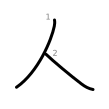
人
Meaning: person · Strokes: 2
On: ジン、ニン · Kun: ひと、り、と
Examples:
人 — person
日本人 — Japanese person
三人 — three people
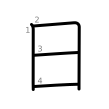
日
Meaning: day; sun · Strokes: 4
On: ニチ、ジツ · Kun: ひ、び、か
Examples:
日 — day; sun
日本 — Japan
毎日 — every day
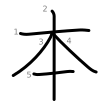
本
Meaning: book; origin · Strokes: 5
On: ホン · Kun: もと
Examples:
本 — book
日本 — Japan
本当 — true
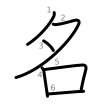
名
Meaning: name · Strokes: 6
On: メイ、ミョウ · Kun: な
Examples:
名前 — name
有名 — famous
Culture note: bowing and names
- Japanese people bow (お辞儀) when greeting. A small nod is fine with friends; a deeper bow shows more respect.
- Family name comes first: 田中ゆき → Tanaka is the family name. People usually call each other by family name + さん.
- Never use さん for yourself. Say デウィです, not デウィさんです.
- あなた ("you") can sound cold or too direct. Use the person's name + さん instead, or leave "you" out.
Exercises
1. Make sentences with は~です.
- レオさん / オーストラリア人
- 森さん / 先生
- 私 / 学生
2. Make the sentences negative.
- ゆきさんは 先生です。
- レオさんは 日本人です。
3. Fill in the blank with は, も, の or か.
- 私( )デウィです。
- 田中さんは 学生です( )。
- これは 日本語( )本です。
- ゆきさんは 日本人です。森先生( )日本人です。
4. Translate into Japanese.
- Nice to meet you. I'm (your name). Pleased to meet you.
- Is Mr. Mori a doctor? — No, he's a teacher.
- Leo is Yuki's friend.
5. Read the kanji. 1. 人 2. 日本 3. 名前 4. 日本人
Answers
1. 1. レオさんは オーストラリア人です。 2. 森さんは 先生です。 3. 私は 学生です。
2. 1. ゆきさんは 先生じゃありません。 2. レオさんは 日本人じゃありません。 (ではありません is also correct.)
3. 1. は 2. か 3. の 4. も
4. 1. はじめまして。(name)です。どうぞよろしくおねがいします。 2. 森さんは 医者ですか。— いいえ、先生です。 3. レオさんは ゆきさんの 友達です。
5. 1. ひと 2. にほん 3. なまえ 4. にほんじん